
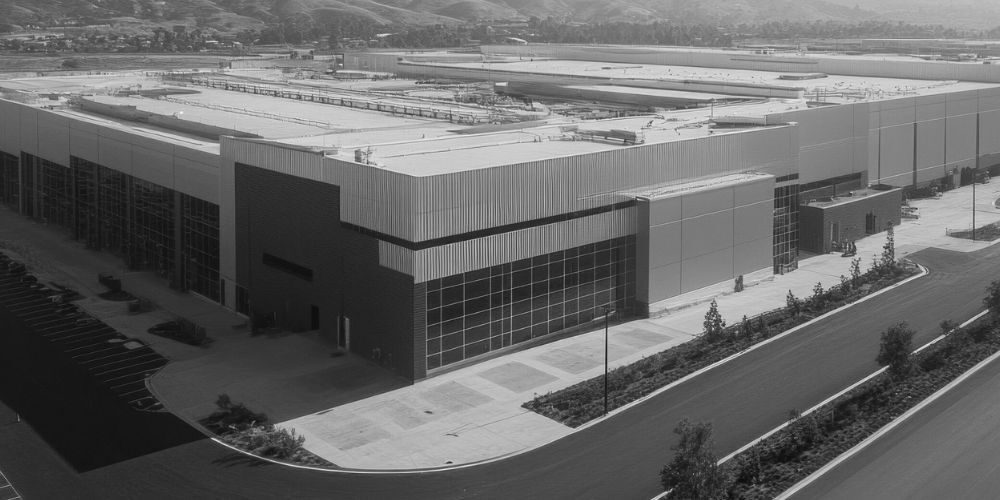
Across Europe, data centre growth is accelerating at unprecedented speed. Cloud adoption, AI workloads, hyperscale expansions, streaming and the explosion of IoT ecosystems continue to push demand for resilient digital infrastructure. Yet while investment pours in, one critical constraint threatens progress more than any other: a shortage of qualified people to build and deliver new data centre facilities.
France and Portugal, two of Europe’s most promising emerging data ecosystems, sit at the centre of this challenge.
Europe’s digital boom meets a human resource crunch
Yet despite policy support and private investment, projects are stalling; not due to financing or land constraints, but the lack of construction and technical talent required to build mission‑critical sites.
Real‑world examples illustrate the scale of the problem; major projects in Marseille have slowed because of insufficient certified electrical engineers, while Portuguese facilities report delays linked to shortages of trained technicians capable of working within high‑complexity, high‑resilience environments.
Data centre construction requires specialist expertise
- Electrical and mechanical engineers
- High‑voltage power specialists
- Cooling/HVAC experts
- Civil and structural technicians
- Fibre and telecom installers
- Project managers with security and compliance expertise
These skillsets are not easily transferable from general construction. Uptime requirements, complex systems integration, and stringent security frameworks mean only fully certified specialists can operate safely and compliantly.
France: A rapidly expanding market, intense talent competition
There is also fierce competition for skills from parallel sectors like semiconductors, rail, nuclear and renewables, while regulatory and licensing complexities for non‑EU labour can also cause a block. These constraints create delivery bottlenecks just as France aims to position itself as a major European processing and interconnection hub.
Portugal: High potential, limited talent pool
The government is introducing upskilling initiatives such as Portugal 2030, but they are still evolving in scope and scale. This means that as investment accelerates, the capacity to build is not keeping pace with demand.
Shared barriers
Regulation and certification
- Complex licensing pathways for high‑voltage, HVAC and mission‑critical trades
- Differences between national standards and global best practice
Education and training shortfalls
- Technical schools still primarily geared toward traditional construction trades
- Limited curricula designed specifically for data centre electrical, cooling and infrastructure needs
Migration bottlenecks
- EU labour mobility helps, but credential recognition remains inconsistent
- Non‑EU specialists face significant bureaucracy and delays
Global demand pressures
- Skilled data centre professionals are increasingly attracted to higher‑paying roles in North America and Asia
Strategies to close the gap
- Public-private partnerships to build specialist training academies
- Tax incentives tied to certified training completion
- Fast‑track certification pathways for in-demand trades
- International collaboration to import best practices
- Employer‑led bootcamps and EU-wide apprenticeship schemes
Local community colleges and technical universities are also beginning to evolve curricula to include data-centre‑specific training, though scalability remains a challenge.
Broader economic consequences
In short, the labour gap isn’t a side issue; it’s the bottleneck shaping the future of Europe’s digital economy.
Europe can build the infrastructure of tomorrow, but only with the workforce to match
How Blackedge Consulting can help
Just click the button below, and one of our specialist consultants will be in touch.